BLOG POST
Why Local SEO Matters for Small Businesses in Ontario
2026-03-10
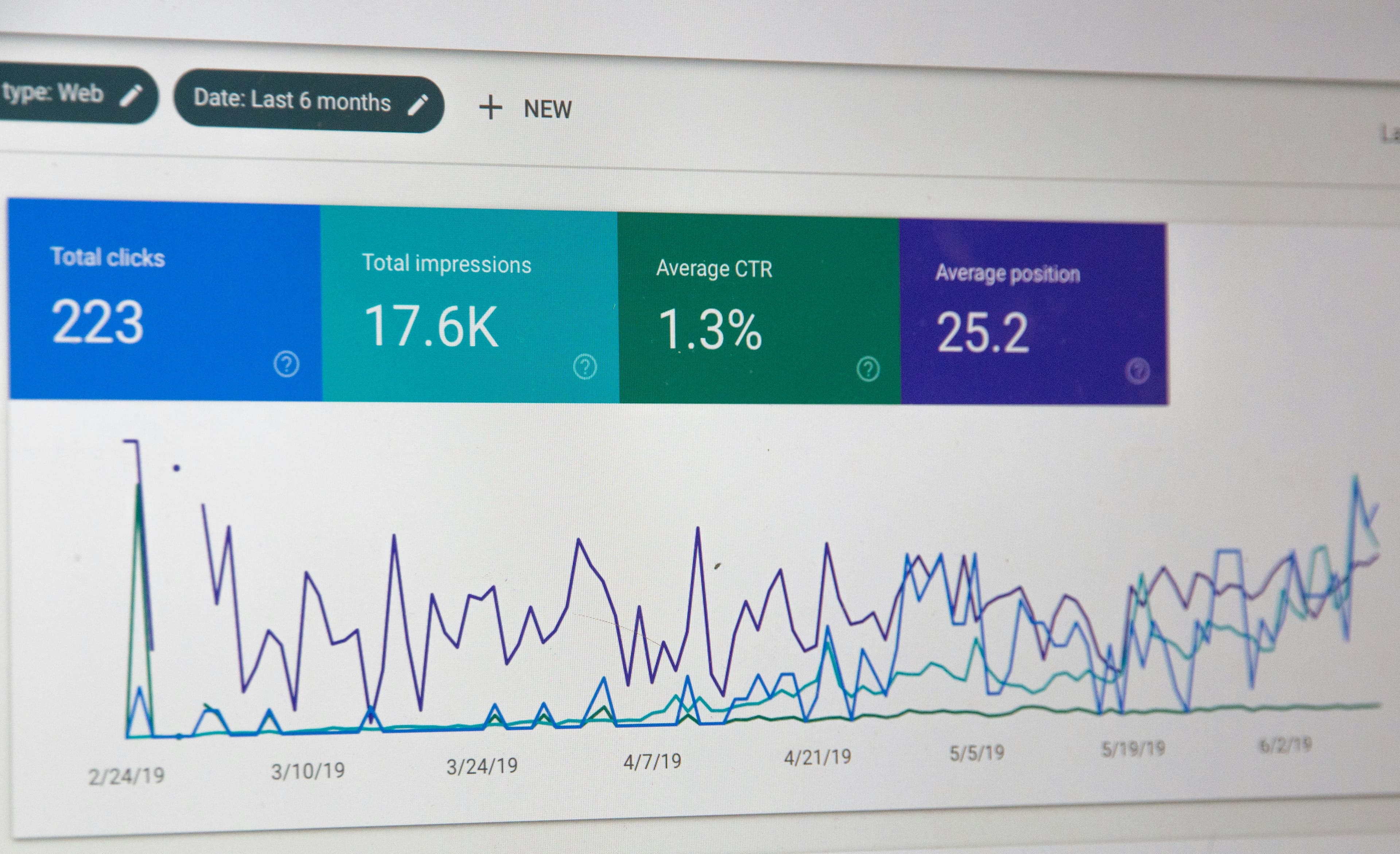
Why Local SEO Matters for Small Businesses in Ontario
Many small businesses in Ontario depend on nearby customers, but local demand only helps when people can actually find you online. Even businesses with excellent service can lose opportunities if they are hard to discover in Google Maps or local organic search.
Local SEO is the bridge between your real-world reputation and your digital visibility. It helps your business appear when someone searches with immediate intent, such as "dentist near me," "electrician Windsor," or "web design Chatham-Kent."
When done well, local SEO does more than increase impressions. It drives the right traffic, improves trust before first contact, and supports more consistent inquiry volume.
What Local SEO Actually Covers
Local SEO is not a single tactic. It is a coordinated system that aligns your website, business listings, location signals, and reputation assets.
At a practical level, local SEO usually includes:
- Google Business Profile setup and optimization
- location-aware service pages
- technical and on-page optimization
- review generation and response workflow
- citation consistency across directories
The goal is to align what Google sees with what your customers need. If your business information is clear, consistent, and locally relevant, your visibility typically improves over time.
For smaller businesses, this is especially important because local search can level the playing field. You do not need a massive advertising budget to compete when your local presence is well structured.
Local SEO is also one of the few channels where smaller companies can beat larger competitors through relevance and clarity. If your pages and profile answer local intent better than a larger brand, you can still win visibility where it matters most.
Why Google Business Profile Is a Priority
Your Google Business Profile is often the first thing customers see. In many cases, a user may call, request directions, or visit your site directly from your profile without ever seeing your homepage first.
That means profile quality affects both rankings and conversion behavior.
High-impact profile elements include:
- accurate category selection
- complete service descriptions
- current business hours and contact details
- fresh photos that reflect your real business
- regular posts and updates where relevant
Reviews also play a major role here. A healthy review profile with thoughtful responses signals trust and active customer care.
For businesses in competitive Ontario markets, even small profile improvements can move you from inconsistent visibility to reliable map placement over time.
A practical routine is to review your profile monthly: check category fit, refresh imagery, update service details, and respond to recent reviews. Small, consistent updates usually outperform one-time setup work.
Location Pages and Service Intent Alignment
One of the strongest local SEO assets is a well-structured set of service and location pages.
Instead of a single generic page that tries to cover everything, high-performing websites often use focused pages for real search intent. For example:
- web design Windsor
- web design London
- social media management Chatham
These pages should not be thin duplicates. They should explain your service in the context of the local market, local customer concerns, and realistic outcomes.
A strong location page usually includes:
- clear service framing for that city or region
- local relevance signals and language
- practical trust points, such as examples or proof
- a focused call to action
This structure helps both rankings and conversion because users feel the page matches their situation.
It also improves internal analytics. When each city page has a focused target, you can track which markets are producing inquiries and where additional content investment is needed. That makes future marketing decisions easier and more data-driven.
Reviews, Citations, and Local Trust Signals
Search engines evaluate trust through more than website content. They also review external consistency and reputation indicators.
Reviews: Consistent, authentic reviews are one of the strongest local trust signals. Recency and response quality matter as much as average rating.
Citations: Your business name, address, and phone should match across directories, social profiles, and listing platforms. Inconsistent details can weaken local confidence signals.
Local references and links: Mentions from chambers, associations, suppliers, and local media can strengthen geographic relevance.
Many businesses overlook this layer because it feels administrative. But in local SEO, administrative accuracy is often competitive advantage.
Even simple inconsistencies, such as alternate phone formats or old suite numbers, can create confusion in local trust signals. Cleaning these details is not glamorous, but it is foundational for stable performance.
How Local SEO Translates Into Real Business Outcomes
Local SEO is valuable because it targets active demand. These are people already looking for what you offer, usually in your service area.
That intent quality means local SEO can support outcomes like:
- higher quality inbound leads
- better close rates from informed prospects
- lower dependence on paid ads over time
- stronger long-term brand visibility in your region
It also improves the customer journey. When users see clear service messaging, local relevance, and strong trust signals, they make decisions faster.
For owner-led businesses, this matters because time is limited. A better local funnel can reduce low-fit inquiries and increase the percentage of conversations that are actually worth your time.
Another benefit is resilience. Paid ad costs can fluctuate quickly, but strong local organic visibility provides a steadier source of demand. Over time, this can lower acquisition pressure and create a healthier marketing mix.
In practice, the businesses that win local SEO are usually not the loudest. They are the most consistent. They keep profile data current, publish useful city-service content, maintain review momentum, and improve site clarity quarter after quarter.
If you are not sure where to start, begin with the highest-leverage sequence: clean up your Google Business Profile, verify citation consistency, and strengthen the top one or two service pages most tied to revenue. Then layer in city-specific expansion and review workflow improvements. This sequence often delivers faster practical gains than trying to do everything at once.
It is also helpful to set simple monthly metrics you can actually use, such as map visibility trend, calls from profile, form inquiries from location pages, and branded versus non-branded traffic. Those indicators make progress tangible and help you decide where to invest next.
Over time, this disciplined approach compounds into stronger rankings, better lead quality, and more predictable local growth.
FAQ
-
How long does local SEO take to show results? Initial improvements can appear in a few weeks, but meaningful and stable gains often take 3 to 6 months of consistent work.
-
Do I need separate pages for each city I serve? Usually yes, if those cities are core markets. Each page should be genuinely useful and locally relevant, not copy-paste content.
-
Are Google reviews really that important? Yes. Reviews influence trust, click behavior, and local pack performance. A steady review process is one of the highest-leverage local actions.
-
Can local SEO work without running ads? Absolutely. Many businesses grow with organic local SEO alone, especially when website structure and profile quality are strong.
Related Local Service Pages
See how we position web design and local visibility by city: